 Manpower Supply Company in Dubai, Sharjah, Abu dhabi | Best Labour Service Consultancy in UAEManpower Supply Company in Dubai, Sharjah, Abu dhabi | Best Labour Service Consultancy in UAE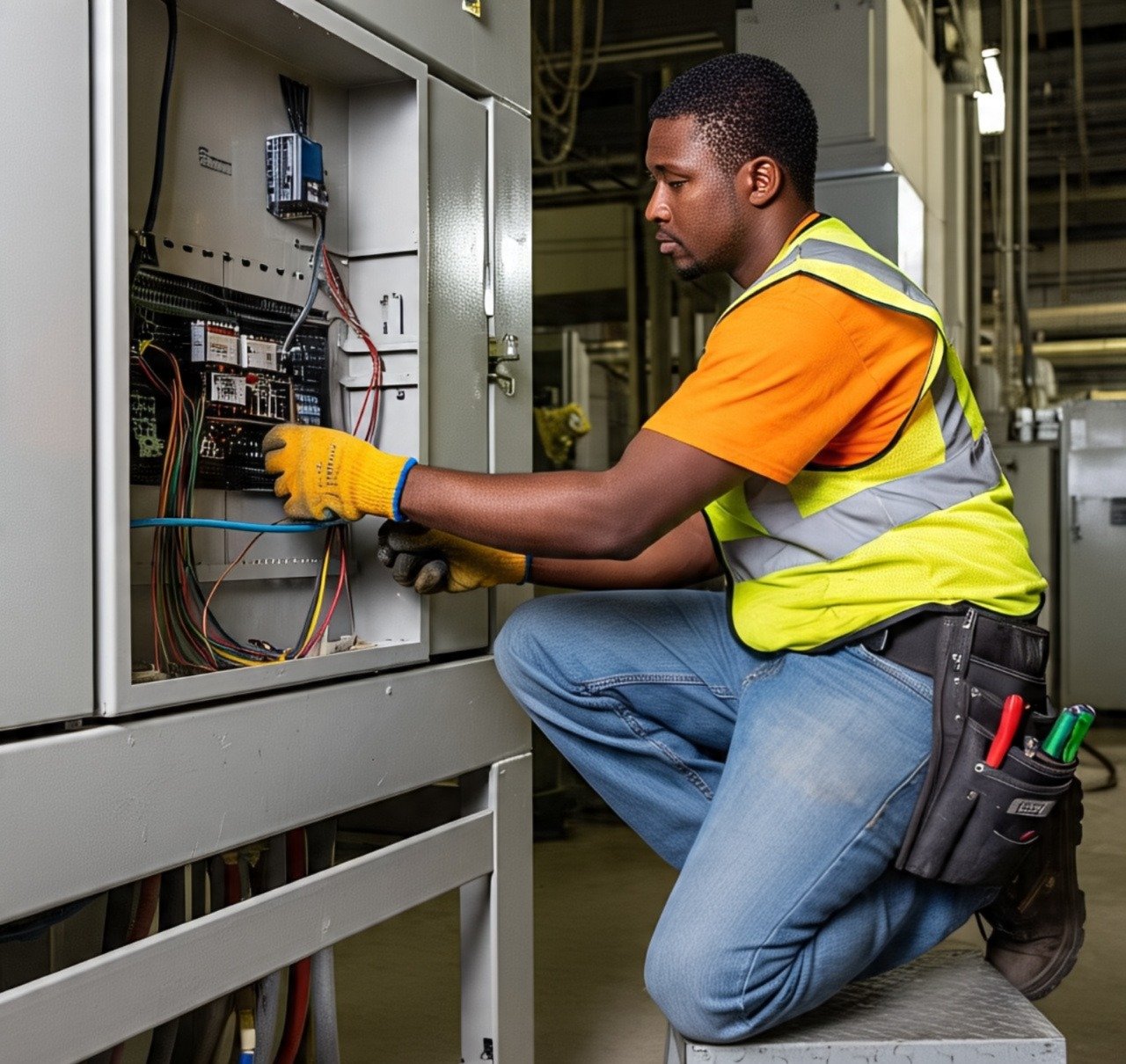
One of the first questions businesses ask before hiring a manpower supplier is simple:
"How much will it cost?"
Manpower supply costs in the UAE vary depending on the type of workers required, project duration, industry, location, and the services included in the contract. A construction company requiring 100 general laborers will have very different workforce costs compared to a facility management company looking for certified technicians.
Understanding manpower costs starts with understanding how professional manpower suppliers operate in the UAE. This can help businesses make informed decisions, avoid hidden costs, and choose the right manpower partner.
Many businesses compare quotations based solely on the monthly rate per worker. However, a professional manpower supply company provides worker recruitment and screening, visa processing, medical insurance, accommodation, transportation, payroll management, compliance with UAE labor regulations, and worker replacement when required.
Since these services are often bundled together, comparing quotes without understanding what is included can lead to unexpected costs later.
If you're unfamiliar with the process, understanding how manpower works in the UAE can help you evaluate supplier quotations more effectively.
While rates vary depending on project requirements, businesses can expect the following general ranges:
| Worker Category | Typical Monthly Cost (AED) |
|---|---|
| General Laborers | AED 1,800 – AED 2,500 |
| Semi-Skilled Workers | AED 2,200 – AED 3,200 |
| Skilled Technicians | AED 3,000 – AED 6,000+ |
| Supervisors & Foremen | AED 4,500 – AED 8,000+ |
These figures include accommodation, transportation, insurance, and visa-related expenses. Actual costs may vary depending on project location and worker qualifications.
For example, businesses requiring general helper manpower supply services have different budget considerations than those hiring certified technicians.
The biggest factor influencing manpower cost is the skill level required.
For example:
Specialized trades often command higher rates due to certifications, experience, and industry-specific expertise. Industries such as construction and manufacturing frequently require electrical manpower supply services and mechanical specialists to meet project demands. Manufacturing facilities may also require skilled fabrication professionals and technicians.
The more specialized the role, the higher the manpower cost.
Short-term projects often have higher per-worker costs because suppliers must recover onboarding, visa, and mobilization expenses within a shorter period. Long-term contracts usually offer better value because these costs can be spread over a longer timeframe.
Businesses hiring larger teams often benefit from volume pricing.
For example:
Large-scale workforce requirements allow suppliers to optimize transportation, accommodation, and administrative costs.
Large construction projects often benefit from economies of scale when sourcing labor through a manpower supplier. This is particularly true for companies requiring construction manpower supply services for infrastructure and commercial projects.
Manpower costs can also vary across the UAE.
Factors such as accommodation costs, transportation requirements, and local regulations influence pricing.
For example:
Many businesses underestimate the cost of hiring employees directly. In addition to salary, employers must consider visa fees, medical insurance, Emirates ID processing, end-of-service benefits, payroll administration, and regulatory compliance.
Studies show that the actual cost of employment can be significantly higher than an employee's basic salary once these obligations are included.
For many businesses, the answer is yes.
Hiring employees directly requires advertising vacancies, conducting interviews, processing visas, managing payroll, handling employee administration, and managing workforce replacements.
A manpower supply company manages these responsibilities on behalf of the client. This allows businesses to reduce administrative burden, access workers faster, scale workforce requirements up or down, and focus on core business activities.
For project-based industries such as construction, logistics, manufacturing, and facility management, manpower supply often provides greater flexibility and predictable budgeting.
When comparing manpower suppliers, businesses should avoid selecting a provider based solely on price.
A significantly lower quotation may indicate:
Instead of asking, "Which supplier is cheapest?" a better question is:
"What services are included, and what level of support can the supplier provide?"
A reliable manpower partner helps reduce operational risks while ensuring workforce continuity throughout the project.
Reviewing a list of reputed manpower supply companies in UAE can provide useful benchmarks when comparing providers.
Businesses can optimize workforce costs by:
These strategies can help improve workforce efficiency while maintaining project quality.
Manpower supply costs in the UAE depend on several factors, including worker skill level, project duration, workforce volume, and operational requirements.
While cost is an important consideration, businesses should focus on overall value rather than the lowest quote. A reliable manpower supplier provides compliance, workforce stability, administrative support, and the flexibility needed to keep projects running smoothly.
For businesses operating in construction, manufacturing, logistics, facility management, and industrial sectors, partnering with the right manpower supplier can often be a smarter long-term investment than managing workforce requirements internally.